

Strategies that Decrease Stress for Type A Results Producers

“Leading a team that shares work and results can reduce stress, especially for Type A results producers.” Jeannette Seibly

Type A leaders rarely name their emotions, allow themselves to be vulnerable, and believe showing authenticity is risky. When your mindset overrides your stress and frustration, burnout follows. Yes, you get things done, often at a high level, but the cost can land on your team, peers, customers, and the company … while costing you your health and well-being.

Achieve Better Results Without Creating Unnecessary Stress

One small action at a time. Stop pushing, controlling, or manipulating outcomes. Smaller steps may feel slower, but they create healthier, more grounded results for you, your team, and the organization. “Slow is smooth and smooth is fast.” (Navy Seals)

Have tough conversations. Avoidance is a limited mindset. Write out the issue, review it with your executive coach, refine it, practice, and then have the conversation. Leadership requires two-way dialogue for positive results.

Use silence strategically. Not every moment needs noise, talking, or busy-ness. Silence creates space for clarity and better decision-making while reducing your frustrations.

Lead with calm presence. Frenetic energy, especially from a leader, destabilizes people and outcomes. Schedule moments throughout the day to breathe. In the evening, carve out time for yourself and do something you love (watch a movie, read, connect with others).

Rest and nourish your body. A healthy leader creates a healthy culture at work and at home. When you achieve your results — and you will — you’ll be able to enjoy them.

Practice mindfulness. When faced with a difficult challenge, breathe: one technique is to inhale for 10 counts, exhale for 10 counts, and repeat three times. This is a great reset before reacting.

Pause before speaking. This signals respect, helps others feel heard, and keeps you from cutting people off or missing their point of view. Build from others’ ideas and perspectives for stronger results. Listening intentionally reduces your stress, and others too, since they feel heard and valued.

Truly listen. Talking over people, controlling the conversation, or being dismissive erodes trust. Listen fully, build solutions, implement, and check progress frequently to ensure the best outcome.

Self-promotion with balance. Being clear about your accomplishments builds your voice and presence in any room, even when you remain silent. Humble-bragging and over-bragging diminishes credibility.

Acknowledge your people. Praise individuals and the team as you go. “Please” and “thank you” still matter and strengthens relationships.

© Jeannette Seibly 2026 All Rights Reserved

Jeannette Seibly is a Leadership Results Coach, Talent Advisor, and Business Author with 33 years of experience activating greatness in leaders and companies. She delivers practical coaching and solutions that elevate performance today, build legacies that stand the test of time, and support people in empowering themselves to lead with clarity and impact.

IMPORTANT NOTE for Type A Leaders: Contact me to get started with the PXT Select® assessment. This state‑of‑the‑art tool delivers clear insight into how you’re perceived in the workplace, and its leadership report pinpoints your strengths, flags potential challenges, and provides targeted coaching strategies you can put into action immediately to elevate your effectiveness.

Feeling the stress and plowing through it anyway, only makes it worse. Slow down, breathe, listen, and include others working on projects or solutions. Reach out to delve deeper into solutions that will work for you and your team.


When Employees Refuse to Be Satisfied or Communicate

“Some people will never be satisfied with their job or the company they work for. It’s your job as a leader to resolve it or let them go.” Jeannette Seibly

Some employees, paid or volunteer, refuse to be satisfied. They’re never happy, something is always wrong, and they blame others for their frustrations. The key resolve? Acknowledge you cannot fix what they refuse to own or communicate about. And, if necessary, employment law will determine how and when to let them go.

The Real Issue Often Isn’t Obvious

Many employees, contractors, or volunteers avoid conversations because they lack the skills, confidence, or willingness to talk things out. Leaders avoid tough conversations for the same reasons. When both sides avoid the conversations that need to happen, resentment grows, stories get created, reasons multiply, and the situation spirals into a no‑win cycle for everyone involved.

Leadership isn’t about fixing people. It’s about creating the conditions for clarity, accountability, and growth. But beware, your ego may be doing the talking and thinking. Self‑reflection is required.

When employees are not satisfied, it can show up as:

  • Hiding behind emails and texts instead of talking
  • Reacting without facts
  • Responding emotionally to questions
  • Being triggered by small things
  • Being a victim
  • Needing to be right
  • Thinking everyone is against them

When leaders encounter these behaviors, it’s crucial to act, determine the real issue, and whether or not you can resolve it.

Good Intentions Aren’t Enough

Some employees (W2 or 1099) or volunteers genuinely want to do well, but they’re never satisfied. They’re unhappy, allow their skepticism free rein, blame others, and drain the team. Here’s what must be in place before you decide whether to keep them or let them go.

1. Job Fit. According to multiple studies, over 80 percent of people today are in jobs that don’t fit them. When job fit is off, communication breaks down, performance drops, and dissatisfaction skyrockets. Use a qualified job‑fit assessment to determine whether the person is correctly placed in the right role, and identify any coaching you may have overlooked and any adjustments to their job responsibilities.

In the future, when you hire, promote, or transfer someone, use a strategic job‑fit hiring process. When followed, it will reduce dissatisfaction and poor job fit. (Grab your copy of Hire Amazing Employees. Note: An employment attorney bought copies of Hire Amazing Employees for clients struggling with hiring. All but one improved. The one who didn’t? Never read the book.)

For a volunteer, the same principles apply: Ensure they’re in a role that matches their interests, strengths, and available time. Volunteers often say yes out of goodwill, not fit. When the role doesn’t align with who they are, they become frustrated, disengaged, or overly critical, just like an employee in the wrong job.

Have a simple conversation and deep dive into the real reason they volunteered. This conversation will usually clarify whether they’re in the right place, need to be reassigned to a role that better suits them, or it’s time for them to move on.

2. Training. Once you have the right person in place, onboarding and training must begin immediately, preferably before their first day. The right‑fit person appreciates training.

The wrong‑fit person:

  • Takes coaching personally
  • Fears feedback
  • Loathes training
  • Interprets direction as criticism

This should be a sign, not a surprise, when job fit is missing.

3. Communication Skills. Many people today lack strong communication skills. They rely on electronics, emojis, and avoidance. During their primary education years, they never developed the depth and breadth needed to express ideas, resolve upsets, or talk things out. This leads to misunderstandings, assumptions, and unnecessary drama. Provide ongoing training and lead by example.

4. Tough Conversations. Avoiding tough conversations only deepens resentment. Leaders must be willing to talk things out, even when it’s uncomfortable.

Role-play with your executive coach. Prepare. Get grounded. One well‑prepared conversation can shift everything or reveal that nothing will change.

It’s up to you as the leader to initiate and take responsibility for listening and communicating in a manner they can hear. Beware of using manipulation or being manipulated. This is an opportunity for dissatisfaction to decrease or for the person to find other opportunities.

5. Let Them Go. If you’ve had the conversations and it’s still not working, and the issue is not harassment or discrimination, it may be time to let them go.

If harassment or discrimination is involved, you must address it immediately with your attorney or HR and document everything.

Letting someone go isn’t failure. It’s leadership.

Leadership Requires Clarity and Courage

Leadership is about creating the conditions for clarity, accountability, and growth. When someone refuses to communicate, take responsibility, or participate in solutions, it negatively impacts the entire team. Strong leaders recognize when they’ve done their part and when it’s time to make a decisive, responsible choice for the health of their organization.

© Jeannette Seibly 2026 All Rights Reserved

Jeannette Seibly is a Talent Advisor, Leadership Results Coach, and Business Author with over 33 years of experience guiding people to empower themselves, transforming workplaces into places that work, and shaping leaders who truly lead.


Review your team this week to identify where job fit, communication gaps, or unresolved issues are creating friction. Then take one decisive step: have the tough conversation, adjust a role, provide training, or reassign or release someone who is not a match. Leadership requires action. Contact me to address difficult concerns and move your team forward.

Are You Ready to Deliver Real Results that Contribute to Your Legacy?

“If you want to deliver lasting results, focus on consistent and productive practices to get unstuck and move forward.” Jeannette Seibly

2026 is right around the corner. As you review your 2025 results, ask yourself: are you energized by progress, weighed down by fear, or clinging to excuses and hope?

Now is the moment to examine whether your practices are consistent, productive, and truly driving impact. Because by this time next year, you don’t just want to meet commitments, you want to exceed them and leave a legacy that endures.

Remember: supporting your vision is just as vital as achieving it.

7 Tips to Build a Legacy That Endures

  1. Invest in the Right People. Your legacy is built through others. Choose team members who align with your values and mission.
  1. Coach with Purpose. Go beyond performance fixes by asking open-ended questions that spark thinking. Help people grow into leaders who carry forward your vision. And don’t forget to hire your own coach, someone who keeps you out of the weeds and in action. 
  1. Use Technology Wisely. Technology is a powerful support tool, but it cannot create legacy on its own. Tools like AI can amplify your efforts, streamline processes, and provide valuable insights. Yet a lasting legacy is always built on engaging with people and building a positive culture first. When you prioritize relationships, values, and leadership practices, technology shifts from being a crutch to becoming a true multiplier of your impact.
  1. Engage Your Community Regularly. Your legacy thrives when you stay connected. Quarterly conversations with stakeholders ensure relevance and build trust. Sometimes it may feel like you’re repeating yourself, and that’s okay. People have selective hearing and may not catch your message the first few times.
  1. Create Daily Rituals. A personal morning structure matters (whether journaling, listening to a favorite influencer, or sitting in stillness). At work, quick huddles or intentional check-ins build consistency, accountability, and shared ownership of your vision.
  1. Teach the Stories and Details. Legacy lives in the stories we tell. Train your team to understand the why behind the work you do, not just the what.
  1. Celebrate Progress. Recognition sustains momentum. Acknowledge contributions, share wins, and reinforce the values you want carried forward. (Yes—get your brag on!)

© Jeannette Seibly, 2019–2025 All Rights Reserved

Jeannette Seibly is an award-winning Talent Advisor, Leadership Results Coach, and Business Author. For over 33 years, she has guided executives and leaders to achieve remarkable success. Her specialty is helping organizations design legacies of excellence, accountability, and impact.

Want objective practices to strengthen your legacy? Contact me today to make a lasting difference.

Want to Improve Your Results? Improve Your Facilitation Skills

“Do you want people to listen, focus, and create great results? It starts with your facilitation skills.” Jeannette Seibly

Leaders who learn to effectively facilitate meetings and groups avoid dominating conversations and improve results. (Note: Oxford Languages define facilitate as: Lead or run (a meeting, discussion, etc.), ensuring that objectives are met and all participants’ opinions are heard.)

When facilitating, many bosses believe they must have all the answers. But they’re neither skilled nor comfortable listening to or generating others’ opinions. Their lack of facilitation skills, speaking skills, and ability to manage a room, virtually or onsite, gets in the way of results.

Become Aware of What No One Will Tell You

Why people won’t tell you the truth:

  • You lack awareness, emotional intelligence, and emotional integrity (See Quick Comparison* below)
  • You don’t feel comfortable telling you what you need to hear
  • Your blind spot is something they can’t quite identify—but they find it annoying
  • You become a “I’m right, you’re wrong” type of person when someone disagrees with you

*Quick Comparison: Emotional Intelligence vs. Emotional Integrity

  • Emotional Intelligence is your ability to recognize and manage emotions—yours and others’.
  • Emotional Integrity is your ability to express emotions honestly and act in alignment with your values.

Signs You Need to Pay Attention To:

  • You over-explain to the point no one is listening
  • You talk when you should be listening
  • You’re always focused on your opinion or point of view (What? You asked for my idea)
  • You’re late, lack preparation, and are disorganized
  • You’re ready to respond as soon as the other person stops talking (or even before), which means you were not listening!

How to Overcome These Limitations:

  • Get Real. Work with an experienced executive coach and use a job fit assessment that provides a leadership overview and recommendations. Objective data plus expert advice can fast-track your results.
  • Be Coachable. Listening and learning are essential when working with others. Many of you reading this may believe you’re a great speaker and facilitator, but consider your audience may disagree.
  • Watch Your Tone. Poorly managed emotions can diminish your results and possibly cost you your job. Develop emotional mastery to avoid triggers.
  • Learn to Listen. Listening to learn (not to comment) helps you master long-winded unfocused conversations and reframe input into something positive. You asked for their input, now honor it and thank them.
  • Include Everyone. Go round-robin (ask for each person’s thoughts, ideas, or opinion). Listen. Use time limits if needed.
  • Come Prepared. Arrive early. Send out agendas 24–48 hours ahead and follow them. Mute phones. Send minutes within 24–48 hours, including tasks to be completed.
  • State Your Point in 10 Words or Less. If you’re long-winded, you’re likely editing mid-sentence or unclear about your point. Get clear. Get focused. Be prepared by writing it down first.

© Jeannette Seibly 2025 All Rights Reserved

Jeannette Seibly is a legacy-driven Talent Advisor, Leadership Results Coach, and Amazon Best-Selling Business Author. For over 33 years, she has empowered thousands of executives and business leaders to achieve sustainable success through strategic hiring, values-based coaching, and intentional leadership development. Her work blends clarity, accountability, and soulful impact—activating performance and purpose at every level.

Would you like a complimentary, Facilitation Self-Check & Meeting Prep Guide? Contact me.

How to Hire Salespeople Who Actually Sell

“When you hire the wrong salespeople, your customers and top salespeople leave.”  Jeannette Seibly

Note: Don’t have time to read the full article? SCROLL to SEE Executive Summary below.

Hiring salespeople is notoriously tricky. Many candidates look the part and talk the talk. But once hired, they fail to deliver needed and intended results. The cost of a bad hire isn’t just financial; it erodes customer trust, team morale, and your bottom line.

The key? Determine their ability to sell before you hire them. Sales managers don’t have magic wands, and “fixing” poor hires rarely works.

Questions that must be answered:

Are they:

  • Able to generate leads?
  • A self-starter or need prodding?
  • A team player?
  • Able to close an opportunity? (Many become hesitant and are afraid of the required “money” conversation.)
  • Fulfilling promises or making unrealistic ones (e.g., the price will never go up)?
  • Following-up and following-through? (Note: This is one of the biggest mistakes salespeople make.)

5 Smart Strategies to Improve Your Selection Process

  1. Use Objective Data. Ditch intuitive Use the Selection Triad and validated job-fit assessments to evaluate prospecting, presenting, and closing skills. Job fit is the #1 predictor of sales success.
  2. Assess Integrity. Use honesty/integrity assessments to uncover omissions and avoid candidates who stretch the truth. Always verify background, education, and accomplishments.
  3. Test Listening Skills. Ask candidates to summarize parts of the interview: “Tell me what you heard.” Great salespeople listen before they sell. Also, check for openness to coaching, “Tell me about a recent mistake. What did you do? What did you do to correct it? Who did you need to talk with?” Beware of someone saying they never make a mistake. (In fact, move on to other candidates.)
  4. Look for Curiosity. Candidates should ask thoughtful questions about your company, product, and culture. If they don’t, they likely lack the drive to uncover client needs.
  5. Observe Presence and Patience. Watch body language. Do they squirm, interrupt, or rush? Sales requires calm confidence and the ability to make prospects feel heard and comfortable.

Top Attributes of Successful Salespeople

  • Coachability: You can’t coach someone into a job they’re not wired for. Remember, you’re hiring for job fit: thinking style, behaviors, and interests must align with the role.
  • Presence: Great salespeople are fully engaged in conversations. Multitasking is a myth and listening is their superpower.
  • Product Mastery: They know what they’re selling and how it works. They immersed themselves in the details; and, as a result, they build trust and prevent buyer’s remorse.
  • Persistence: They follow up consistently, stay visible, and don’t give up. They stay in contact through sharing articles, actively participate in networking (givers gain attitude), and social media.
  • Relationship Building: They treat every prospect and client like a VIP. They follow-through within 24–48 hours to build credibility and loyalty.

©Jeannette Seibly 2016-2025 All Rights Reserved

Jeannette Seibly, an award-winning Talent Advisor, Leadership Results Coach, and Business Author, has guided thousands of executives and business leaders to achieve remarkable success over the past 33 years. Her specialty is delivering innovative solutions for hiring, coaching, and leadership challenges—with excellence and accountability at the core.

When was the last time you stopped long enough to review your sales teams’ skills? You haven’t? It’s time to contact me before the end of 2025!

Would you like a complimentary quick one-page copy of “Sales Manager Coaching Tool: Hire & Develop Salespeople Who Deliver?

***

Executive Summary: Hiring Salespeople Who Actually Sell

“When you hire the wrong salespeople, your customers and top salespeople leave.”  Jeannette Seibly

The Problem

  • Hiring mistakes erode trust, morale, and profits.
  • Sales managers cannot “fix” poor hires—selection must be right from the start.

5 Smart Strategies

  1. Use Objective Data – Apply the Selection Triad: structured interviews, validated job-fit assessments, integrity tools.
  2. Assess Integrity – Verify honesty, background, and accomplishments.
  3. Test Listening Skills – Great salespeople listen before they sell.
  4. Look for Curiosity – Candidates should ask thoughtful questions.
  5. Observe Presence & Patience – Calm confidence builds trust.

Top Attributes of Successful Salespeople

  • Coachability – You can’t coach someone into a job they’re not wired for.
  • Presence – Fully engaged, listening is a superpower.
  • Product Mastery – Deep knowledge prevents buyer’s remorse.
  • Persistence – Consistent follow-up builds visibility and credibility.
  • Relationship Building – Treat every client like a VIP, follow-through within 24–48 hours.

Hiring salespeople is too costly to get wrong.

Stop relying on intuition—use proven tools and strategies.

Contact Jeannette before the end of 2025 for a complimentary copy of the Sales Manager Coaching Tool: Hire & Develop Salespeople Who Deliver.”

Jeannette Seibly, award-winning Talent Advisor, Leadership Results Coach, and Business Author, has guided thousands of executives and business leaders to success over the past 33 years. Her specialty is delivering innovative solutions for hiring, coaching, and leadership challenges—with excellence and accountability at the core.

How to Work with an Incompetent Boss

“When working with an incompetent boss, you must set aside your judgment to protect your job.” Jeannette Seibly

Working with an incompetent boss is challenging. They can sabotage your efforts while wasting time and money—for you, your team, and the company. This can happen whether you’re working with your direct boss, your boss’s boss, or a boss you don’t report to directly.

Many times, the boss’s incompetence stems from a lack of self-awareness and a failure to understand their impact on others. They often insist everything is done their way—even when their way doesn’t work. The primary reason they are incompetent is they never learned how to work with a team. And they are often resentful when you know a better way to get results and voice them.

The challenge intensifies when the boss is well-liked or has a strong reputation. So—it’s up to you to learn how to work with them because they don’t have to learn to work well with you!

Even though it might be easier for you to take over the boss’s role to get the job done … be careful … their popularity and ego can hurt you and your future career opportunities if not handled with diplomacy.

5 Tips to Work Well with an Incompetent Boss and Keep Your Job

Diplomacy. This is the #1 skill to develop and use rigorously. Being right, egotistical, or gossiping about the boss’s incompetence will not get the job done. And, if you complain, it will come back to bite you.

Instead:

  • Be an ally. (Even if that seems impossible.)
  • Take the boss to lunch to build rapport outside the pressure of the project.
  • Ask non-threatening questions about their background and experience.
  • Ask how the project is coming along.
  • Offer to do one task the boss is complaining about “to help the person out.” Get it done ASAP.
  • Then ask, “How else can I help you?”

Do It Their Way. The biggest fear most incompetent bosses have is that others won’t do it their way. It’s true—you and others won’t. But to gain their trust:

  • Do it their way the first time.
  • Then offer only one suggestion on how it could be done faster or better in the future (e.g., use a dashboard to track progress).
  • Again, only offer one suggestion at a time—then allow it to be their idea!

Bring in a Respected 3rd Party. You may not have the luxury of waiting for the incompetent boss to “get it.” Talk with your company mentor, boss, or external company coach (if available) about how to best handle the issue. However, the right person (not you) should work with the “incompetent boss” and use a qualified job fit assessment focused on leadership attributes that can make a positive difference.

  • Stick with the facts when talking with 3rd
  • Understand others may be unwilling to “rock the boat” since it could negatively impact them.

An aspiring young leader, Stephanie, volunteered to work with Tyler, an executive known for being difficult and blaming others. Stephanie asked her coach for guidance. Armed with insights, she asked Tyler if she could shadow him for a day and learn about his background and job. He was flattered. Over time, they built a good working relationship. When Tyler poorly managed a customer project, Stephanie was able to step up. She relied on their rapport to have a frank but diplomatic conversation. Tyler allowed Stephanie to help him and turn around the results.

This type of diplomacy and curiosity can build trust—even with difficult leaders.

Document. Be proactive:

  • Ask at least twice: “How can I help?” or “What would you like me to do?”
  • Document if you did not get an answer or received push-back.
  • Keep it fact-based—stay away from blame.
  • Share your brags with your boss to keep them apprised, especially since it can show up on your performance appraisal.

When All Else Fails, Let It Go. If you’re deeply committed to doing good work, this will be difficult. You probably have a strong emotional attachment to fulfilling the needs of the project. But when an incompetent boss refuses to budge, you must step back—especially if no one is willing to help facilitate the outcome. If you don’t, you risk developing a bad reputation for “not working well with others.” Ironic, isn’t it?

Working with an incompetent boss is common but does not need to negatively impact your job or career. Many times, the experience elevates your skills and it is positively noticed!

© Jeannette Seibly 2021–2025 All Rights Reserved

Jeannette Seibly, an award-winning Talent Advisor, Leadership Results Coach, and Business Author, has guided thousands of executives and business leaders to achieve remarkable success over the past 33 years. Her specialty is delivering innovative solutions for hiring, coaching, and leadership challenges—with excellence and accountability at the core. How can I help you navigate the ups and downs of working with a difficult boss?

Want to Hire Job Loyalists? First, Evaluate the Costs and Benefits

“To grow, a company’s leadership must embrace change and hiring job loyalists can create positive legacies.” Jeannette Seibly

Many GenXers and Millennials who have been job hoppers are now looking for an employer for “life.” As an employer and as a ‘job loyalist,’ it’s important to become aware of the costs and benefits of job longevity.

Many GenX and Millennial leaders who have spent their careers job hopping every 3 to 5 years are now seeking to find a home or in other words become a ‘job loyalist.’ A job loyalist is intending to stay, contribute, and construct a legacy with a purposeful role. This shift resembles a trend of job hugging; however, job huggers typically plan to pursue new opportunities once economic or external conditions improve.

Job loyalists aim to find one final employer where they can stay and retire—ideally for 10 to 20 years – from job hopping to job holding. Often, this decision is influenced by family needs, health considerations, or personal life pursuits.

Yet both employers and job loyalists frequently overlook a critical reality: those who crave new and exciting work often possess traits such as independence, unconventional thinking, and a need for new challenges – otherwise they become bored. Also, these same traits can mask leadership blind spots that undermine long-term success and the ability to stay with one employer for a long period of time without developing deeper leadership skills.

In today’s fast-paced environment, companies and leaders must balance experience with fresh perspectives, strategic risk-taking, and cultural adaptability to remain competitive. While job loyalist with deep industry knowledge can provide these insights, companies must ask: Can this job loyalist continue to grow without compromising innovation, agility, or strategic clarity?

Costs of Job Loyalists

Being aware of the following pitfalls can help avoid hiring a job loyalist looking for an interim safe place to land.

  1. Risk Aversion and Complacency. Long tenure can foster comfort over courage. Leaders who once embraced bold change may now avoid disruptive innovation to protect their position.
  2. Stagnation in Decision-Making. Without fresh perspectives, strategic choices may default to legacy thinking rather than future readiness. Leaders may prioritize being liked over being effective.
  3. Reduced Agility. Lifelong roles can slow organizational pivoting. Reassigning or reimagining roles becomes difficult when longevity is the job loyalist’s goal. Top talent, your future leaders, will exit if this occurs.
  4. Saboteur of Evolution. Job loyalists may resist cultural evolution, especially in areas like DEI, tech adoption, or emerging leadership styles. “We’ve always done it this way” becomes a silent saboteur.
  5. Complacency on the Job. Remaining in the same company and similar roles may feel comforting to the job loyalist, but it can quietly erode the agility, innovation, digital literacy, and growth every company needs to thrive.
  6. Former job hoppers—now aspiring job loyalists—once thrived on frequent raises, new titles, and fresh challenges. When promises made by new employers are forgotten, ego and lack of trust may prompt them to start job hopping again.

The Benefits of Keeping Job Loyalists and Future Leaders Engaged

Remember, use a strategic job fit selection system including qualified job fit tools to ensure the quality of hiring (including Boomerangs (rehires)), coaching, and managing.

Create Career Pathways and Career Ladders. Talent bottlenecks can be caused by job loyalists. Provide new career pathways and ladders to prevent career blocks for emerging talent and keep current leaders agile. For example: Rather than relying solely on the traditional career ladder, transition executives into board roles or company-affiliated foundations. This opens up new responsibilities and creates opportunities for rising leaders.

Update Current Workplace Culture. Ensure your workforce prioritizes purpose, flexibility, resilience, idea generation, and growth over permanence. Without this shift, attracting top talent becomes increasingly difficult.

Keep Skills Current. Long-tenured employees may avoid reskilling or adapting to changes in technology, human development, finance, and operations. Job loyalists often prioritize personal comfort over company-wide changes, leading to mismatches between role demands and stakeholder expectations. Make skill adaptation and accountability non-negotiable across the company.

Keep Succession Planning Current. Sudden exits can create leadership vacuums and operational disruption. Never assume someone will always remain in a role—or that the #2 person is ready.

One individual served as the #2 for over a decade. When promoted to #1 after his boss retired, he lacked decision-making and critical thinking experience at the enterprise level. He was fired six months later by the board of directors. As an independent consultant, his lack of tech and leadership skills led to closing his consulting business within a year.

Reframe From Keeping a Lifelong Job to Being a Lifelong Contributor. Instead of anchoring leaders to longevity, companies can:

  • Promote lifelong learning and legacy-building by requiring ongoing management development through symposiums or conferences (e.g., encourage leaders to share ideas and facilitate breakout workshops that activate strategic thinking and peer engagement).
  • Encourage role evolution through horizontal or vertical job expansion to meet new business demands (e.g., lead AI initiatives, spearhead wellness programs, drive goal completion, and transform employee development).
  • Design contribution pathways that honor experience without stifling innovation (e.g., mentoring, college and trade school presentations, onboarding support). Ensure the job loyalists have developed engaging and talent-attracting presentations by requiring public speaking training (this applies to all presenters).

©Jeannette Seibly 2025 All Rights Reserved

Jeannette Seibly, an award-winning Talent Advisor, Leadership Results Coach, and Business Author, has guided thousands of executives and business leaders to achieve remarkable success over the past 33 years. Her specialty is delivering innovative solutions for hiring, coaching, and leadership challenges—with excellence and accountability at the core.
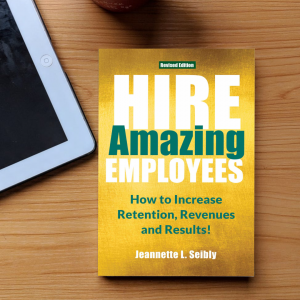
Remember, use a strategic job fit selection system including qualified job fit tools to ensure the quality of hiring (including Boomerangs (rehires)), coaching, and managing.

Bridging Communication Gaps to Unlock Better Results

“Bridging communication gaps aligns your team to unlock better results.” Jeannette Seibly

For many bosses and leaders, bridging communication gaps or resolving communication issues feels like an overwhelming challenge they’d rather avoid.

Instead, they wait, try to control or manipulate their team members, or shift responsibility—and blame—to someone else.

Why? Because they either don’t know how to fix it, fear making things worse, or hesitate to ask for help and follow through.

But when you bridge communication gaps, you foster stronger working relationships, reduce project errors, and boost retention and revenues. In other words, your results become truly remarkable.

5 Key Strategies to Align Your Team and Achieve Intended Results

Each letter in ALIGN stands for a strategic step that turns communication breakdowns into collaborative breakthroughs and drives your team toward intended, impactful results:

Action and Description to Align Team:

Appreciate Differences. Utilize objective job fit assessments to identify hidden strengths and mitigate conflict. The right tool brings clarity and answers the “why” behind people’s behaviors and motivations.

Listen to Learn. If you already have an answer when someone is speaking – you’re not listening! Take time to share goals, budgets, and timelines openly, and invest in training teams to communicate and strategize effectively. This is critical to fostering stronger buy-in and commitment to excel.

Include All Ideas. Acknowledge all contributions to build trust, even though not every idea can be implemented. To quell naysayers, create five ways an idea could work—and truly listen. “Ah-Ha” moments often come through attentive listening and off-the-wall ideas that spark new threads of thought.

Generate Solutions. Facilitate brainstorming by starting conversations with open-ended questions to stimulate thought and dialogue. Allow space for unconventional ideas and set aside judgment to discover fresh possibilities. Remember, the thoughts and attitudes that created the problem will not solve it!

Name the Wins. Celebrate successes and reflect on what worked and what didn’t. This exercise helps teams get unstuck, recognize contributions, and fully appreciate efforts—individually and collectively—at project milestones, during weekly reviews, or at quarterly checkpoints.

Bridging communication gaps isn’t just about addressing what was said and done—it’s about building a culture where every voice is heard, every strength is valued, and every challenge becomes an opportunity for growth. When you align your team, you empower them to move beyond conflict and confusion toward collaboration and meaningful results.

©Jeannette Seibly 2023-2025 All Rights Reserved

Jeannette Seibly, an award-winning Talent Advisor, Leadership Results Coach, and Business Author, boasts over 32 years of hands-on experience. Her expertise helps leaders and bosses refine their hiring, coaching, and management practices to achieve their intended results. Along the journey, she has guided the creation of three millionaires and numerous six-figure earners, all while guiding those ready to elevate their game to new heights.

Ready to bridge your team’s communication gaps and unlock their full potential? Begin with a job fit assessment or schedule a clarity session to set your path. Reach out anytime at SeibCo.com/contact/ I’m here to help you create lasting impact.

The Leadership Upgrade: Turning Blind Spots into Breakthroughs

“Identifying your blind spots and overcoming these hurdles is critical to developing your savvy leadership.” —Jeannette Seibly

Leadership isn’t static—it’s a continuous upgrade. And the most powerful upgrades begin when you’re willing to confront what you haven’t yet seen.

🌟 Emerging Blind Spots in Today’s Leadership Landscape

As leaders, we’re navigating more than just team dynamics—we’re steering through shifting expectations, hybrid work environments, and the pressure to “always be on.” These changes have introduced new blind spots that weren’t on our radar five years ago. And if we’re not paying attention, they’ll quietly erode trust, impact, and results.

Here are a few blind spots noted by research that I’ve seen surface in recent coaching conversations:

Favoritism. With hybrid working options, are you unintentionally favoring the team members you see more often than others? Many publications have talked about the assumption that visibility equals productivity – but that’s a blind spot. (Harvard Business Review and Inc.com)

Leadership Upgrade: Build scheduled check-ins and recognition systems that include everyone, regardless of location.

Fixed Leadership Style. Studies show that 54% of managers default to a single leadership style (e.g., collaborative, directive, or hands-off) (Blanchard LeaderChat). This often leads to micromanaging or a lack of employee and team engagement.

Leadership Upgrade: Flex your style. Ask yourself: “What does this situation need from me right now?” Not “What do I usually do?”

Digital Perfectionism. In a world of polished Zoom calls and social media posts, attempting to hide behind a perfect image will often backfire when they meet you!

Leadership Upgrade: Leadership isn’t about being flawless—it’s about being real. (OurMental.Health and Arxiv Research) Sharing your process is just as important as sharing the results you’ve achieved. Let them see the truth of your leadership journey — it builds trust.

“Blind spots aren’t flaws—they’re invitations. When you’re willing to see what you’ve been missing, you unlock a deeper level of leadership.” —Jeannette Seibly

🔄 How to Flip Blind Spots into Savvy Leadership

Here’s how to turn blind spots into strengths that elevate your leadership:

  1. Use Assessments and 360-Degree Feedback. Leverage tools that reveal how you want to be seen, how you actually show up, and how others perceive you. These insights offer a powerful trifecta of clarity. But the real transformation begins when you partner with an executive coach to interpret the results, create a focused action plan, and engage in hands-on conversations over a period of time.
  2. Hire the Right Executive Coach—and Listen. Being coachable is key. A skilled and experienced coach helps you bypass trial-and-error and zero in on what truly needs attention. Avoid overanalyzing your blind spots—just listen, adjust, and implement. Your coach isn’t there to fix you—they’re there to help you see what’s been hiding in plain sight.
  3. Engage with an Industry Mentor. Mentors offer insider knowledge about your company, team dynamics, and industry politics. Together with your coach, they help you navigate complex situations and accelerate your growth. The key to effective mentorship is to show up, listen up, and do the work!
  4. Welcome Feedback from Your Team. Your team wants you to succeed—but you must create a safe space for honest feedback. Use structured 360 assessments to gather insights, then act on them with intention.
  5. Dial Up Your Humility. Participate in emotional intelligence workshops and leave your ego at the door. Mastery requires authentic practice, effective coaching when using the

skills, and a willingness to grow.

  1. Sharpen Your Communication Skills. Strong communication is non-negotiable. Take workshops to uncover biases and build confidence in how you write, speak, and connect with others.
  2. Identify Triggers and Biases. We all have them. Work with your coach—and if needed, a licensed therapist—to uncover subconscious patterns and develop healthier responses.

🚀 Ready to Lead Today with Impact?

Leadership upgrades don’t happen by accident. They happen when you choose to see, listen, and act with intention. What blind spot are you ready to transform today?

With over 32 years of experience, I’ve helped leaders get out of their own way and into focused action—transforming blind spots into stepping stones for savvy, results-driven leadership.

📩 Contact me to learn more about my one-on-one coaching programs and PXT Select® job-fit assessment tools.

© Jeannette Seibly, 2020–2025 All Rights Reserved

Jeannette Seibly, an award-winning Talent Advisor, Leadership Results Coach, and Business Author, has guided thousands of executives and business leaders to achieve remarkable success over the past 32 years. Her specialty is delivering innovative solutions for hiring, coaching, and leadership challenges—with excellence and accountability at the core.

Complacency: A Leadership Blind Spot

“Leaders must address complacency in their teams each and every day or risk losing them.” Jeannette Seibly

In leadership, complacency is a silent disruptor. Complacency is self-satisfaction that ignores or fails to notice problems or dangers. (Merriam Webster) It creeps into companies, stalls momentum, and diminishes influence. Whether leading a team or managing a business, the challenge remains the same: growth demands continuous engagement from you and your team members rather than being self-satisfied and stagnant.

Complacency: The Risk That Goes Unnoticed

Complacency isn’t just about doing the same thing repeatedly — it’s about losing the edge. It’s the moment self-satisfaction turns into assumptions that everyone is engaged because they’re getting the work done, and routines start replacing critical thinking. Leaders who don’t actively challenge themselves or their team members risk missing opportunities. The reality? Complacent leaders often ignore what is in front of them — teams left without direction grow disengaged, mistakes increase, and unnecessary problems get created (e.g., working relationships).

Signs of complacency to watch for:

• Relying on outdated strategies without reevaluating effectiveness (e.g., hiring and selection system)
• Avoiding tough conversations or settling for mediocrity
• Failing to invest in personal and team development to ensure collaboration, and to appreciate and capitalize on differences effectively

When growth stops, so does engagement. A thriving workplace depends on individuals who actively shape direction, question norms, and embrace change. Building and maintaining momentum requires intentional leadership—whether steering a company or guiding a team.

How to Combat Complacency

Breaking out of a complacent mindset requires strategy and self-awareness. Here’s how effective leaders approach the challenge:

1. Stay Curious – Leaders ask questions and seek fresh perspectives. They push past “what’s always worked” and explore new approaches. They use the open-ended question approach to ensure everyone gets the chance to share ideas and acknowledge and learn from mistakes.

2. Create Accountability – Feedback loops keep teams sharp. Honest conversations prevent stagnation and complacency. It requires conducting effective meetings, using true brainstorming methods, and ensuring intended results are achieved more often than not.

3. Encourage Bold Thinking – Innovation comes from challenging assumptions. Leaders cultivate an environment where risk-taking is encouraged. Again, yes, the critical point with staying curious is needing repeating: When you stay curious and use the open-ended question approach will ensure employees are heard without ridicule. This is how valued ideas get expressed, created, and used for the benefit of achieving the intended results.

4. Celebrate Progress, Not Just Outcomes – Recognizing small victories keeps energy high and reinforces momentum, which battles complacency. Learning how to self-promote and encouraging team members to do the same builds confidence and team trust.

Final Thought: Leadership Is a Choice
Leading effectively is an ongoing commitment—not a one-time decision. To combat complacency requires awareness, adaptability, and the courage to push past the comfort zone you’ve created. The key to sustained success? Stay engaged and stay open, and remember, yesterday’s approach will not guarantee tomorrow’s results.

©Jeannette Seibly 2025 All Rights Reserved

Jeannette Seibly, an award-winning Talent Advisor, Leadership Results Coach, and Business Author, specializes in delivering innovative solutions for hiring, coaching, and leadership challenges. Over the past 32 years, she has empowered business owners, executives, and managers to achieve remarkable success. With a steadfast commitment to excellence, Jeannette champions those eager to elevate, expand, and excel in their results.